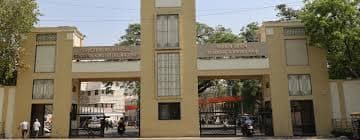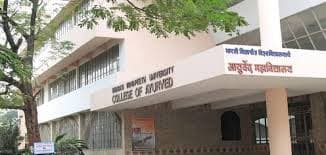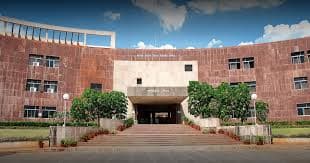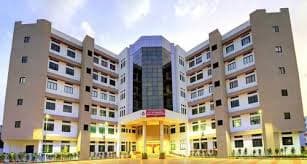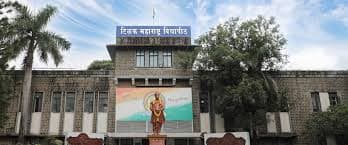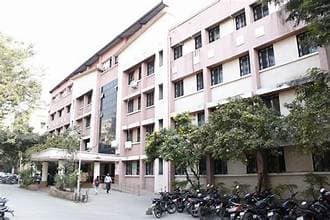
Government Medical College, Akola came into existence in 2002 under the Government of Maharashtra with a clear intention to strengthen both medical education and healthcare in this part of the state. Since then, it has gradually built its place as a dependable institution, especially for students who prefer learning in a government setup with real exposure, the college is affiliated with Maharashtra University of Health Sciences and is recognized by the National Medical Commission, which ensures that its courses follow proper standards. It offers MBBS Course at the undergraduate level and MD/MS courses in various fields, giving students a balanced mix of theory and practical learning. The campus in Akola is designed around the needs of students rather than appearances. It includes classrooms, labs, a library, and most importantly, a teaching hospital that forms the core of day to day learning.
The hospital sees a steady flow of patients from nearby areas, and this naturally becomes a part of the students’ routine. Instead of only reading, they observe, assist, and slowly understand how things actually work. What makes the experience here more meaningful is the constant interaction between students, teachers, and patients. Faculty members are involved and approachable, helping students improve step by step. Over time, this builds not just knowledge but also the ability to handle situations with clarity and responsibility. Beyond academics, the college remains closely connected to the local community. The hospital provides accessible treatment, and the institution regularly takes part in outreach activities like health camps and awareness drives. This keeps the focus not only on learning but also on serving people. In its own steady way, Government Medical College, Akola continues to grow as a place where students gain real understanding, not just degrees. It may not try to stand out with big claims, but through everyday work and consistency, it prepares students for what lies ahead.
Government Medical College, Akola Highlights:
Here are the highlights of Government Medical College, Akola:
Particulars | Details |
College Name | Government Medical College Akola |
Established | 2002 |
College Type | Government |
Founder | Government of Maharashtra |
Campus Size | 70–80 acres |
Location | Akola, Maharashtra, India |
Accreditations | Recognized by National Medical Commission as a Government Medical College |
University Affiliation | Maharashtra University of Health Sciences |
Regulatory Recognition | National Medical Commission (NMC) |
Programs Offered |
|
Intake Per Year |
|
Clinical Exposure |
|
Teaching Hospitals | Government Medical College and Hospital Akola a multi-specialty tertiary care hospital with approximately 680 to 800 beds |
Key Facilities |
|
Library Resources |
|
Hostel Capacity |
|
Sports Facilities |
|
Other Amenities |
|
Strengths |
|
2. Course Details and Few Structure:
1) MBBS
Course Duration: 5.5 years (4.5 years study + 1 year internship)
Total Seats: 200 per year
Fee Structure:
Total Annual Cost - INR 1.3 – INR 1.4 lakh approx.
Total Course Fee - INR 6.9 – INR 7.0 lakh approx.
2) MD/MS
Seat intake: 60+ Seats
Course | Duration | Seat Intake | Annual Fee (Approx.) | Total Fee (Approx.) |
MD Anaesthesiology | 3 Years | 4 | INR 95,000 – INR 1,10,000 | INR 3.0 – INR 3.5 Lakh |
MD Biochemistry | 3 Years | 2 | INR 95,000 – INR 1,10,000 | INR 3.0 – INR 3.5 Lakh |
MD Community Medicine | 3 Years | 11 | INR 95,000 – INR 1,10,000 | INR 3.0 – INR 3.5 Lakh |
MD Dermatology | 3 Years | 3 | INR 1,10,000 – INR 1,50,000 | INR 3.5 – INR 4.7 Lakh |
MD Forensic Medicine | 3 Years | 2 | INR 95,000 – INR 1,10,000 | INR 3.0 – INR 3.5 Lakh |
MD Microbiology | 3 Years | 2 | INR 95,000 – INR 1,10,000 | INR 3.0 – INR 3.5 Lakh |
MD Paediatrics | 3 Years | 2 | INR 1,10,000 – INR 1,50,000 | INR 3.5 – INR 4.7 Lakh |
MD Pathology | 3 Years | 2 | INR 95,000 – INR 1,10,000 | INR 3.0 – INR 3.5 Lakh |
MD Pharmacology | 3 Years | 5 | INR 95,000 – INR 1,10,000 | INR 3.0 – INR 3.5 Lakh |
MD Physiology | 3 Years | 2 | INR 95,000 – INR 1,10,000 | INR 3.0 – INR 3.5 Lakh |
MD Pulmonary Medicine | 3 Years | 3 | INR 1,10,000 – INR 1,50,000 | INR 3.5 – INR 4.7 Lakh |
MD Radiodiagnosis | 3 Years | 5 | INR 1,10,000 – INR 1,50,000 | INR 3.5 – INR 4.7 Lakh |
MS ENT | 3 Years | 3 | INR 1,00,000 – INR 1,30,000 | INR 3.2 – INR 4.0 Lakh |
MS Obstetrics and Gynaecology | 3 Years | 14 | INR 1,10,000 – INR 1,50,000 | INR 3.5 – INR 4.7 Lakh |
3. Eligibility, Admission & Documents Required:
Eligibility Criteria-
1) MBBS
Must have passed 12th (Science) with Physics, Chemistry, and Biology.
Minimum marks as per government norms (varies by category).
Must qualify NEET-UG exam.
Age should be 17 years or above at the time of admission.
Admission is strictly based on NEET rank and counselling.
2) MD/MS
Must have completed an MBBS degree from a recognized institution.
Must have completed a 1-year internship.
Must qualify NEET-PG exam.
Registration with the medical council is required.
Admission is based on NEET-PG rank and counselling process.
Admission Process-
1) MBBS
Appear and qualify NEET-UG, conducted at the national level.
Register for counselling through:
All India Quota (15%) via MCC
Maharashtra State Quota (85%) via State CET Cell.
Complete online registration and fill personal, academic, and NEET details.
Upload required documents as per counselling guidelines.
Fill and lock college preferences (including GMC Akola).
Seat allotment is done based on NEET rank, category, and seat availability.
Download the allotment letter from the counselling portal.
Report physically to the allotted college within the given deadline.
Undergo document verification at the college level.
Pay the prescribed fees to confirm admission.
Final admission is granted only after successful verification and fee submission.
2) MD/MS
Appear and qualify NEET-PG, conducted nationally.
Register for counselling through:
All India Quota (50%) via MCC
Maharashtra State Quota (50%) via State CET Cell.
Fill the application form with NEET-PG details and academic records.
Upload all required documents including MBBS and internship details.
Select and lock preferred colleges and specializations.
Seat allotment is based on NEET-PG rank, category, and seat matrix.
Download allotment letter after seat allocation.
Report to the college within the specified timeframe.
Complete document verification including degree, internship, and registration proof.
Pay course fees as per government norms.
Admission is confirmed after all formalities are completed.
Documents Required-
1) MBBS
NEET-UG Scorecard
Allotment Letter
10th Marksheet (Date of Birth proof)
12th Marksheet and Certificate
Valid Photo ID (Aadhaar / PAN, etc.)
Passport-size photographs
Domicile Certificate (if applicable)
Caste Certificate (if applicable).
2) MD/MS
NEET-PG Scorecard
Allotment Letter
MBBS Degree Certificate
MBBS Mark Sheets (All Years)
Internship Completion Certificate
Medical Registration Certificate
10th Certificate (DOB proof)
Valid Photo ID
Passport-size photographs
Domicile Certificate (if applicable)
Caste Certificate (if applicable).
5. Strength and Challenges:
Strengths-
The college sees a steady flow of around 1,500–2,000 patients daily, which means students are constantly exposed to real cases and practical learning from early stages.
With a hospital capacity of around 700+ beds and multiple departments, it offers a wide range of cases, helping students understand different medical conditions in real settings.
The fee structure is government regulated and affordable, making it a strong option for students who want quality education without high financial burden.
The presence of experienced faculty across departments ensures proper guidance, especially during clinical postings and hands-on training.
The library resources, including 18,000+ books and multiple journals, provide solid academic support for both regular study and exam preparation.
Hostel facilities are available for most students, including separate accommodation for UG, interns, and PGs, making it convenient for outstation students.
The college continues to grow with increased MBBS intake (200 seats) and expanding postgraduate courses, showing steady academic development over time.
Challenges-
The infrastructure, while functional, is still developing and may not match the level of older or top-tier government institutions in terms of modern facilities.
There are no super-speciality (DM/MCh) courses available, so students need to move to other institutes for higher specialization.
Due to high patient load, departments can get crowded, and individual attention during clinical work may sometimes be limited.
Being located in Akola, a tier-2 city, there is comparatively less exposure to advanced urban healthcare systems and opportunities.
Hostel and campus facilities are basic in nature and may not offer the level of comfort or modern amenities found in newer colleges.
Administrative processes and upgrades can take time, as is common in many government institutions, which may affect speed of improvements.
6. Conclusion:
Government Medical College Akola stands as a steadily growing government institution that focuses on practical learning and public healthcare. Established in 2002, the college has built its foundation around real patient exposure, supported by a large teaching hospital that handles a significant number of cases every day. This creates an environment where students are not limited to classroom knowledge but are regularly exposed to real-life situations, helping them develop confidence and clarity in their approach.
The academic structure is supported by experienced faculty, essential infrastructure, and a well-organized system of teaching that combines theory with practice. With an MBBS intake of 200 seats and multiple MD/MS programs, the college continues to expand its academic reach. At the same time, its government-backed fee structure makes it an affordable option for many students, while there are areas that are still developing, such as infrastructure upgrades and the absence of super-speciality courses, the overall learning experience remains strong due to consistent patient flow and hands-on training. The college also plays an important role in providing healthcare services to the surrounding region, making it both an educational and service based institution.