
1. Introduction.
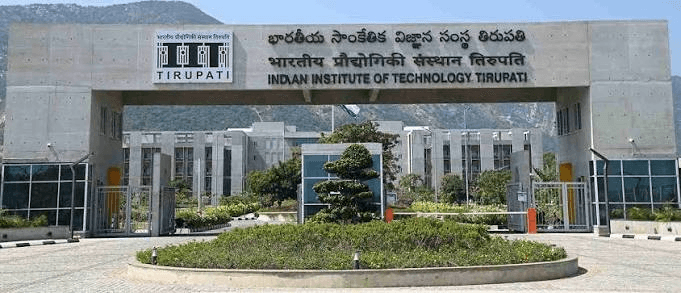
The Indian Institute of Technology Tirupati (IIT Tirupati) is one of the newer generation IITs established by the Government of India to expand high quality technical education and research infrastructure across the country. The institute was founded in 2015 under the mentorship of IIT Madras as part of the second phase of IIT expansion, with the objective of developing advanced engineering education and research in emerging technology domains. Located in Yerpedu near Tirupati, Andhra Pradesh, the institute operates from a modern permanent campus designed as a fully residential academic environment supporting teaching, research and innovation activities, IIT Tirupati offers undergraduate and postgraduate programs across major engineering and science disciplines such as Computer Science, Electrical Engineering, Mechanical Engineering, Chemical Engineering, Civil Engineering and interdisciplinary specializations. The academic structure follows the IIT system with flexible curriculum design, credit based learning and research exposure from early semesters, allowing students to engage in laboratories, projects and technical electives alongside core theoretical courses, the institute also promotes interdisciplinary learning through minor programs and collaborative research centres.
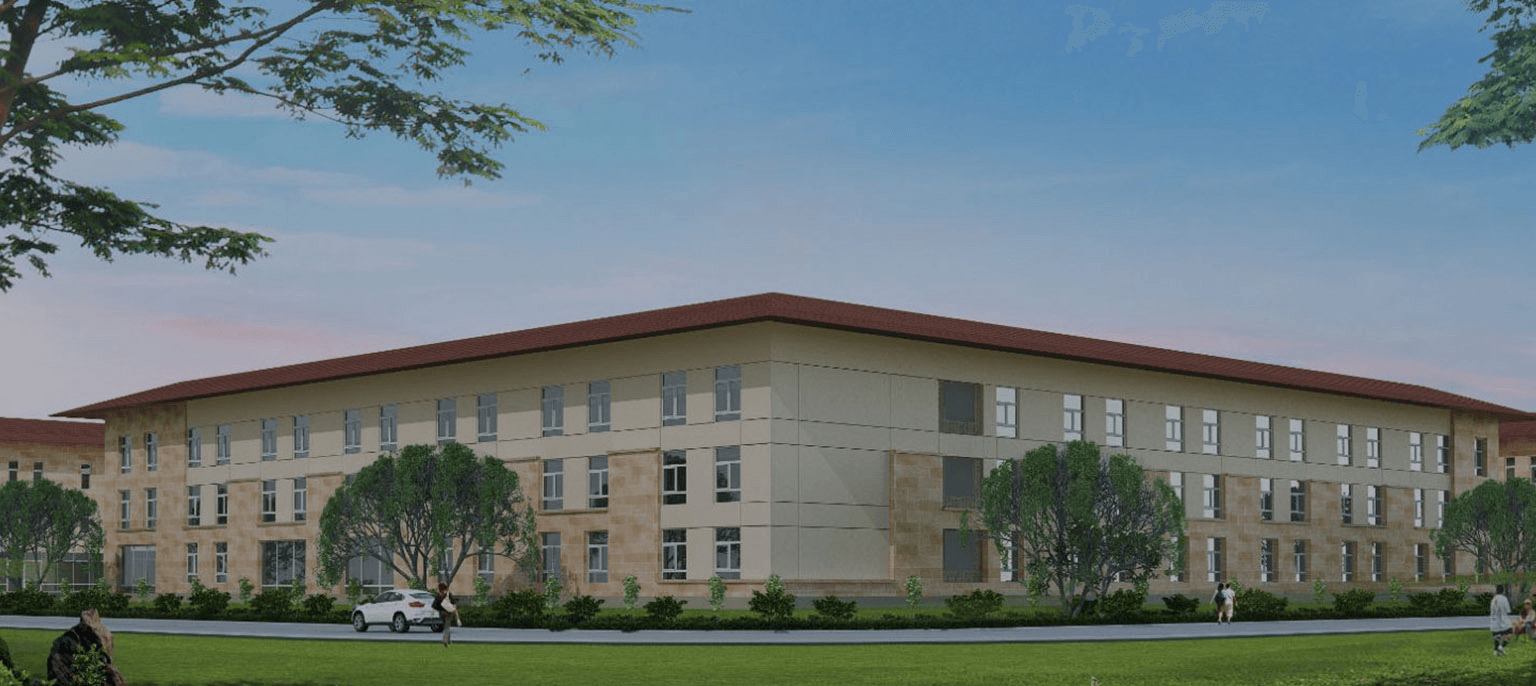
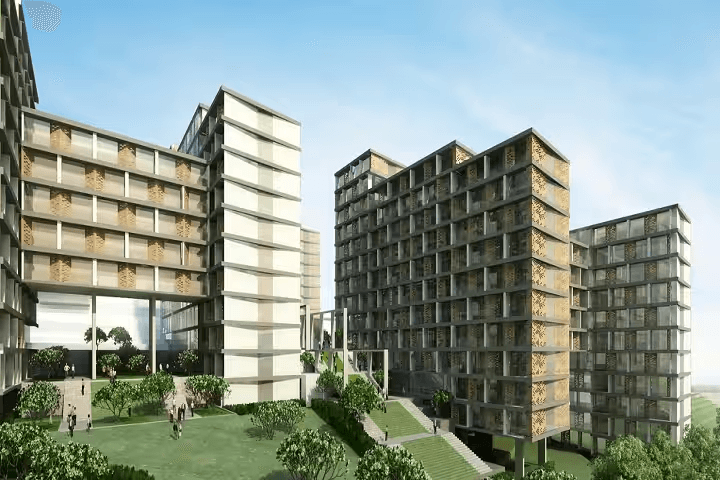
The campus includes academic blocks, advanced laboratories, central library, hostels, sports facilities and research spaces developed to support both academic and residential life, as a relatively young IIT, the institute focuses strongly on research development, innovation culture, startup incubation and industry interaction programs. Faculty members are actively involved in funded research projects and national collaborations in areas such as materials, data science, manufacturing and sustainable technologies. In terms of placements, IIT Tirupati has gradually built stable recruitment participation with companies from software, analytics, consulting and core engineering sectors visiting the campus, with continuous infrastructure development and growing academic reputation, the institute is steadily emerging as a developing IIT campus combining structured academics with expanding research opportunities within the IIT ecosystem.
Here are the highlights of Indian Institute of Technology Tirupati (IIT Tirupati)
The significant key features of Indian Institute of Technology Tirupati (IIT Tirupati) is mentioned in a table format :
PARTICULARS | DETAILS |
Institute Name | Indian Institute of Technology Tirupati (IIT Tirupati). |
Popularly Known As | IIT Tirupati |
Established | 2015 |
Founder | Ministry of Education, Government of India. |
Institute Type | Public, Autonomous, Institute of National Importance. |
NIRF Ranking (Engineering) | Ranked in NIRF Engineering Category (As per Latest Official Publication Year). |
Location | Yerpedu, Tirupati District, Andhra Pradesh. |
Nearest City | Tirupati |
Campus Area | Approximately 540+ Acres |
Key Facilities |
|
Accreditations | Institute of National Importance (Under IIT Act). |
Governing Body |
|
Admission Mode |
|
University Affiliation | Autonomous IIT (Degrees Awarded Under IIT Act). |
Entrance Exams |
|
Total B.Tech Seat Intake | Approximately 244 Seats |
Total M.Tech Seat Intake | Approximately 100+ |
Counselling Authority |
|
Courses Offered |
|
Official Website |
2. Course Details and Fee Structure:
The Indian Institute of Technology Tirupati (IIT Tirpati) offers Undergraduate and Postgraduate Engineering programs structured under the IIT academic regulations. Admission to B.Tech programs is conducted through JEE Advanced followed by JoSAA counselling, while M.Tech admissions are offered through GATE-based admission depending on seat category. The fee structure mentioned below for both the programs is specialization specific.
1) B.Tech Programs
PROGRAM | DURATION | ANNUAL FEES (Approx.) | SEAT INTAKE (Approx.) |
Computer Science & Engineering | 4 Years | INR 2.0 – 2.2 Lakh | 53 |
Electrical Engineering | 4 Years | INR 2.0 – 2.2 Lakh | 60 |
Mechanical Engineering | 4 Years | INR 2.0 – 2.2 Lakh | 53 |
Civil Engineering | 4 Years | INR 2.0 – 2.2 Lakh | 39 |
Chemical Engineering | 4 Years | INR 2.0 – 2.2 Lakh | 39 |
Engineering Physics | 4 Years | INR 2.0 – 2.2 Lakh | 10 |
2) M.Tech Programs
M.TECH SPECIALISATION | DURATION | ANNUAL FEES (Approx.) | SEAT INTAKE (Approx.) |
Computer Science & Engineering | 2 Years | INR 20,000 – 40,000 | ~20 |
Electrical Engineering | 2 Years | INR 20,000 – 40,000 | ~20 |
Mechanical Engineering | 2 Years | INR 20,000 – 40,000 | ~20 |
Civil Engineering | 2 Years | INR 20,000 – 40,000 | ~20 |
Chemical Engineering | 2 Years | INR 20,000 – 40,000 | ~20 |
3. Eligibility, Admission Process, and Documents Required:
The Indian Institute of Technology Tirupati (IIT Tirupati) conducts admissions to its Undergraduate and Postgraduate programs through national level entrance examinations and centralized counselling processes as per Government of India and IIT system regulations. The eligibility criteria, admission procedure and required documents for each program are mentioned below:
1) B.Tech
Eligibility Criteria-
The candidate must have passed the 10+2 (or equivalent) examination from a recognized board.
Physics, Chemistry and Mathematics are compulsory subjects in Class 12.
The candidate must qualify the JEE Advanced examination.
Only candidates who meet the eligibility criteria prescribed by the Joint Seat Allocation Authority (JoSAA) are considered for admission.
Category based eligibility and reservation are applicable as per Government of India norms.
2) M.Tech
Eligibility Criteria-
Candidates must have completed B.E. / B.Tech or equivalent degree in relevant discipline from a recognized university.
A valid GATE score in the relevant paper is required.
Candidates must satisfy minimum qualifying marks or CGPA as prescribed by the institute.
IIT graduates with prescribed CGPA may be eligible as per institute norms.
Reservation policy is applicable as per Government of India rules.
B.Tech
Admission Process-
Candidates must first appear for JEE Main and qualify to appear for JEE Advanced.
After qualifying JEE Advanced, candidates must register for JoSAA counselling.
During counselling, candidates must select IIT Tirupati and preferred branch based on rank.
Seat allotment is done based on JEE Advanced rank, category and seat availability.
Candidates who receive notification of seat allotment must confirm admission by paying the prescribed fee within the given timeline.
Final admission is confirmed only after physical reporting, document verification and eligibility validation at the institute.
M.Tech
Admission Process-
Candidates must qualify the GATE examination.
Eligible candidates can apply through the institute admission portal.
Candidates should participate in the Common Offer Acceptance Portal (COAP) process.
Seat allotment is based on GATE score, merit, category and seat availability.
Selected candidates must accept the offer within the stipulated time.
Admission is finalized after document verification and fee payment at the institute.
B.Tech
Documents Required-
Class 10 mark sheet / certificate (for date of birth proof).
Class 12 mark sheet / passing certificate.
JEE Advanced scorecard.
JoSAA seat allotment letter.
Category certificate (SC/ST/OBC-NCL/EWS), if applicable, in prescribed Government format.
PwD certificate, if applicable.
Transfer Certificate from previous institution.
Migration Certificate (if applicable).
Passport size photographs.
Valid photo identity proof (Aadhaar / Passport / Voter ID / Driving License).
Fee payment receipt.
M.Tech
Documents Required-
Bachelor’s degree mark sheets (all semesters).
Degree Certificate / Provisional Certificate.
Valid GATE scorecard.
Offer / Allotment Letter.
Transfer Certificate.
Migration Certificate (if applicable).
Category certificate (if applicable).
Passport size photographs.
Valid photo identity proof.
Fee payment receipt.
5. Strengths and Challenges.
Strengths-
The institute is recognized as an Institute of National Importance established in 2015 under the Ministry of Education and mentored by IIT Madras, providing a strong academic foundation within the IIT ecosystem.
The campus is spread across about 540+ acres with planned academic infrastructure and research park development supporting long-term institutional expansion.
Faculty members are actively involved in sponsored research and consultancy projects funded by national agencies such as DST, SERB, DRDO and other organizations.
The institute has recorded 100+ ongoing research projects across science and engineering domains, covering areas like energy storage, smart infrastructure, machine learning and advanced materials.
Departments collaborate with universities, research centres and international partners for interdisciplinary research and innovation activities.
Industry interaction is continuously expanding through collaborations and MoUs. For example, an automotive industry partnership includes infrastructure development, internships and pre-placement opportunities.
The Career Development Center coordinates internships and placements with participation of recruiters and faculty guidance for student career preparation.
Almost all undergraduate students receive internship opportunities and exposure to research or industry projects during the academic program.
The institute is rapidly developing with continuous recruitment of faculty, new academic programs and expanding infrastructure.
Challenges-
Being a relatively new IIT (third-generation). Infrastructure and Institutional ecosystem are still under continuous development compared to older IIT campuses.
Alumni base and long-term industry network are still evolving due to the recent establishment of the institute.
Research facilities and departments are expanding gradually, therefore specialization depth is developing phase-wise across disciplines.
Placement opportunities depend significantly on student skill development as the institute continues building corporate engagement and recruiter base.
Campus ecosystem including - research park, collaborations and large-scale facilities is in progressive growth stage as part of long term institutional development plan.
6. Conclusion.
The Indian Institute of Technology Tirupati (IIT Tirupati) has gradually developed as a structured engineering institution operating within the IIT system and academic regulations established by the Government of India. Established in 2015 and mentored by IIT Madras. The institute provides organized technical education through Undergraduate and Postgraduate programs across core engineering and science disciplines. The academic framework follows a credit based curriculum combining classroom teaching, laboratory work, project activity and research exposure.
The campus infrastructure includes - academic buildings, departmental laboratories, library resources, hostel accommodation and student activity spaces designed to support both academic learning and residential life, research activities. Sponsored projects and industry interaction programs form a part of the academic cycle. While internships and placement opportunities are coordinated through the institute career development mechanisms. The institute continues to expand its facilities, faculty strength and research collaborations as part of its long term development plan. Being a relatively new IIT, the institutional ecosystem, alumni network and infrastructure are evolving progressively. But the academic structure and national level admission process maintain a consistent academic environment, the residential campus supports academic engagement through technical activities, seminars and research initiatives alongside regular coursework.